
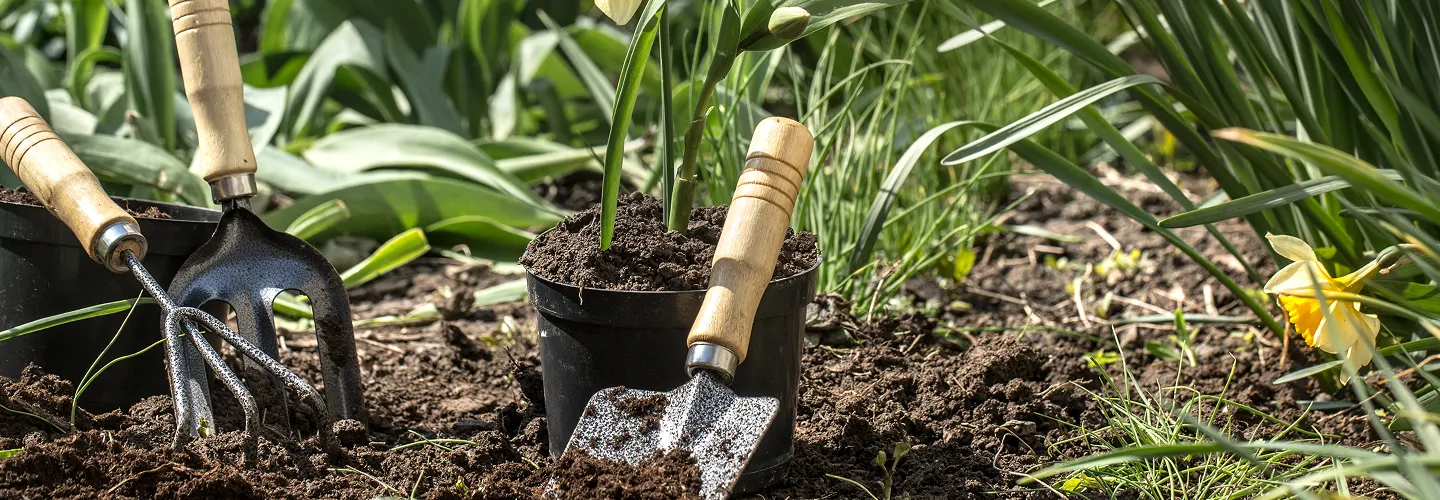
Freeport Artificial Grass Installation Services
Choose our Artificial Grass Installation for a beautiful, maintenance-free lawn that saves you time, money, and water—enjoy green perfection all year round without the work.
Get a Free QuoteOur Freeport Landscaping & Yard Care Services
When to Schedule Artificial Grass Installation in Freeport, Texas – Seasonal Guide
Choosing the right time for artificial grass installation in Freeport, Texas, can make a significant difference in the longevity and appearance of your new lawn. Freeport’s coastal climate, with its mild winters and humid summers, means that late winter through early spring is often the optimal window for installation. During these months, the risk of extreme heat and heavy rainfall is lower, allowing for better soil preparation and seamless turf laying. Neighborhoods near the Brazos River or close to Surfside Beach may experience higher humidity and occasional salt spray, which should be considered when planning your project.
Local environmental factors such as the last frost date—typically in early February—drought risk during late summer, and the sandy soils common in areas like Velasco and Oyster Creek all play a role in determining the best installation period. Homeowners should also be aware of shade coverage from mature oaks in the Old Freeport district, as well as any municipal guidelines, which can be found on the City of Freeport’s official website, that may affect landscaping projects.
Benefits of Artificial Grass Installation in Freeport
Low Maintenance Landscaping
Year-Round Green Appearance
Water Conservation
Pet-Friendly Surfaces
Allergy Reduction
Long-Lasting Durability
Freeport Artificial Grass Installation Types

Residential Artificial Turf
-
Commercial Synthetic Grass
-
Pet-Friendly Turf Solutions
-
Playground Artificial Grass
-
Sports Field Turf Installation
-
Rooftop and Balcony Turf
-
Golf Putting Green Installation
Our Artificial Grass Installation Process
Site Evaluation
Ground Preparation
Base Installation
Laying Artificial Grass
Finishing and Inspection
Why Choose Freeport Landscape Services
-
Freeport Homeowners Trust Us
-
Expert Lawn Maintenance
-
Reliable Seasonal Cleanup
-
Competitive Pricing
-
Professional Team
-
Satisfaction Guarantee
-
Personalized Service
Soil Preparation and Drainage Considerations for Artificial Grass in Freeport
Artificial grass installation in Freeport requires careful assessment of local soil conditions to ensure long-term performance and compliance with municipal standards. The city’s predominant soils, including Lake Charles clay and Surfside sandy loam (as identified by the USDA Web Soil Survey), present unique drainage challenges. Clay soils often require sub-base excavation to a depth of 3-4 inches, followed by installation of a compacted crushed stone layer to promote drainage and prevent water pooling. For sandy soils, stabilization with geotextile fabric is recommended to prevent shifting. Soil pH in Freeport typically ranges from 6.0 to 7.5, which is suitable for most artificial turf backings. All excavated material must be disposed of according to city guidelines, and stormwater runoff must not be directed toward public rights-of-way or wetlands. For technical guidance on soil amendments and drainage, consult Texas A&M AgriLife Extension.
City of Freeport Street Department
200 W. 2nd Street, Freeport, TX 77541
Phone: (979) 233-4241
Official Website: City of Freeport Street Department
Navigating Freeport’s Building Permits and Zoning for Artificial Turf Projects
All artificial grass installations in Freeport must comply with local zoning ordinances and require a building permit for projects exceeding 200 square feet or involving significant grading. Permit applications must include a site plan, drainage details, and material specifications. The standard review period is 5-10 business days, with a typical permit fee of $50-$100 depending on project scope. Installations must maintain a 5-foot setback from property lines and a 25-foot buffer from designated wetlands or drainage ditches. Homeowners’ associations in certain neighborhoods may impose additional restrictions. For up-to-date zoning maps and permit forms, refer to the City of Freeport Ordinance and Zoning Information. Inspections are required both before and after installation to verify compliance with city codes.
City of Freeport Building Department
200 W. 2nd Street, Freeport, TX 77541
Phone: (979) 233-3526
Official Website: City of Freeport Building Department
Environmental Compliance: Stormwater, Wetlands, and Buffer Zones in Freeport
Artificial grass projects in Freeport must adhere to both municipal and state environmental regulations to protect local waterways such as the Brazos River and adjacent wetlands. The Texas Water Code and Clean Water Act require a minimum 25-foot no-disturbance buffer from wetlands and prohibit directing runoff into storm drains. Freeport operates under an MS4 permit administered by the Texas Commission on Environmental Quality, which mandates that all construction debris and infill materials be contained on-site and not enter public drainage systems. Installers must use permeable base materials to support infiltration and reduce runoff. For projects near sensitive areas, additional review by city boards may be required.
City of Freeport Boards and Commissions
200 W. 2nd Street, Freeport, TX 77541
Phone: (979) 233-3526
Official Website: City of Freeport Boards and Commissions
Texas Commission on Environmental Quality
12100 Park 35 Circle, Austin, TX 78753
Phone: (512) 239-1000
Official Website: Texas Commission on Environmental Quality
Seasonal Timing and Weather Considerations for Artificial Grass Installation in Freeport
Freeport’s humid subtropical climate (USDA Hardiness Zone 9a) and proximity to the Gulf of Mexico create unique timing considerations for artificial grass installation. Optimal installation windows are from October to April, when average daily temperatures range from 60°F to 80°F and rainfall is moderate. Avoid scheduling major installations during hurricane season (June 1–November 30) or periods of heavy rainfall, as saturated soils can delay sub-base compaction and increase the risk of improper drainage. Monitor local weather forecasts through the National Weather Service Houston/Galveston Office for up-to-date conditions. Installers should plan for a minimum of 48 hours of dry weather following base preparation to ensure proper curing and stability. For detailed climate data and scheduling guidance, consult Texas A&M AgriLife Extension.
Safety Protocols and Equipment Standards for Artificial Turf Work in Freeport
Artificial grass installation in Freeport must comply with municipal safety ordinances and industry best practices. Equipment operation is permitted:
- Monday-Friday: 7:00 AM - 7:00 PM
- Saturday: 8:00 AM - 6:00 PM
- Sunday and holidays: Prohibited All personnel must wear ANSI Z87.1 safety glasses, hearing protection for noise above 85 dB, and steel-toed boots. When working within 15 feet of public roads or sidewalks, high-visibility vests are required. Power tools must be equipped with functional safety guards and maintained per manufacturer specifications. Dust and debris must be contained to prevent migration onto adjacent properties or public rights-of-way. For additional safety requirements and enforcement procedures, refer to the city’s code enforcement office.
City of Freeport Police Department
430 N. Brazosport Blvd., Freeport, TX 77541
Phone: (979) 239-1211
Official Website: City of Freeport Police Department
What Neighborhoods Do We Serve Throughout Freeport, TX?
- Velasco: Characterized by older residential lots with compacted clay soils and mature trees, requiring careful sub-base preparation and root barrier installation for artificial turf.
- Bridge Harbor: Waterfront properties with sandy soils and high water tables; installations must address drainage and potential salt exposure from nearby waterways.
- Downtown Freeport: Dense urban lots with mixed soil fill and limited access; projects often require coordination with city infrastructure and adherence to strict setback requirements.
- Brazos Terrace: Suburban area with newer developments, moderate lot sizes, and HOA guidelines that may specify turf appearance and installation standards.
- Quintana: Coastal neighborhood with exposure to wind and salt spray, necessitating durable turf materials and reinforced edging to prevent displacement.
- North Avenue District: Features a mix of commercial and residential properties, with variable soil compaction and frequent utility easements impacting installation logistics.
- Old River Road: Proximity to wetlands and flood-prone areas requires strict compliance with buffer zones and stormwater management protocols for all artificial grass projects.